


Precision Science for the Endometrium
Xambika’s PRELI test is to the endometrium what PGT is to the embryo: a deeper layer of insight, regardless of whether conception is natural or assisted.

The scientific barriers to understanding why pregnancies fail
An embryo-centric diagnostic paradigm
Advances in embryo genetics, morphology, and selection have outpaced our ability to assess the womb lining. Yet implantation is a reciprocal process. The endometrium is an active, dynamic tissue whose biological readiness is essential for pregnancy success.

Limited molecular insight into endometrial function
Conventional approaches assess endometrial timing and immune cells, but do not evaluate the decidual reaction. This progesterone-dependent inflammatory process first forms a short-lived implantation niche and then converts the womb lining into the tissue that supports early pregnancy.

A lack of functional, actionable biomarkers
Without validated molecular markers of endometrial health, clinicians and researchers have had limited tools to identify abnormalities before pregnancy, evaluate targeted interventions, or explain failure despite apparently good-quality embryos.
A multi-system molecular assessment
We analyse biomarkers associated with key biological systems, including the decidual reaction, molecular tissue timing, and immune readiness. Together, these provide a functional read-out of endometrial health and insights into the progesterone responsiveness of the womb lining.
Evidence-based interpretation
Our marker panels and analytical models are validated by the largest endometrial study of its kind — published in Science Advances in 2025 — and grounded in peer-reviewed research.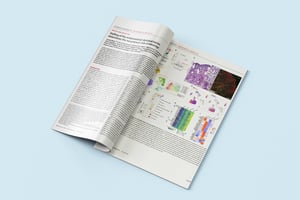
Enabling hypothesis-driven intervention
By identifying abnormalities in the endometrium before pregnancy, the PRELI test supports targeted treatment strategies and enables clinicians to test whether interventions have achieved the desired effect before their patients try to conceive again.